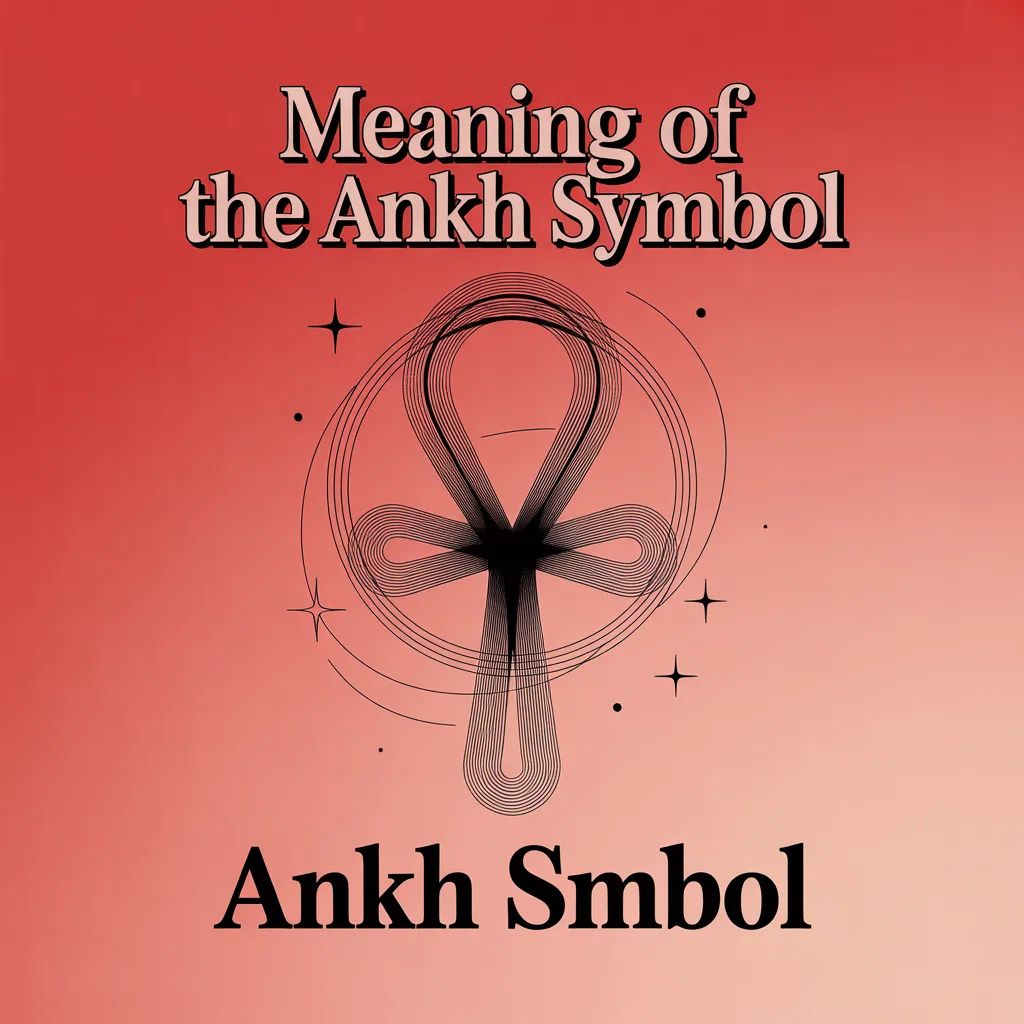
The ankh symbol is one of the most recognizable ancient Egyptian icons, yet its meaning still confuses many people today. You’ve probably seen it in tattoos, movies, jewelry, or spiritual content online and wondered what it actually represents.
At first glance, it looks like a cross with a loop at the top. But behind that simple shape lies a powerful idea tied to life, eternity, and spiritual energy.
People search for the meaning of the ankh symbol for different reasons. Some are curious about ancient history. Others see it in modern fashion or social media and want to understand its deeper message. And many simply want to know whether it’s just decorative or something more meaningful.
This article clears that confusion in a simple, human way. You’ll understand where it comes from, what it truly represents, and how it is used in modern culture without the myths and misinformation.
Ankh Symbol – Quick Meaning
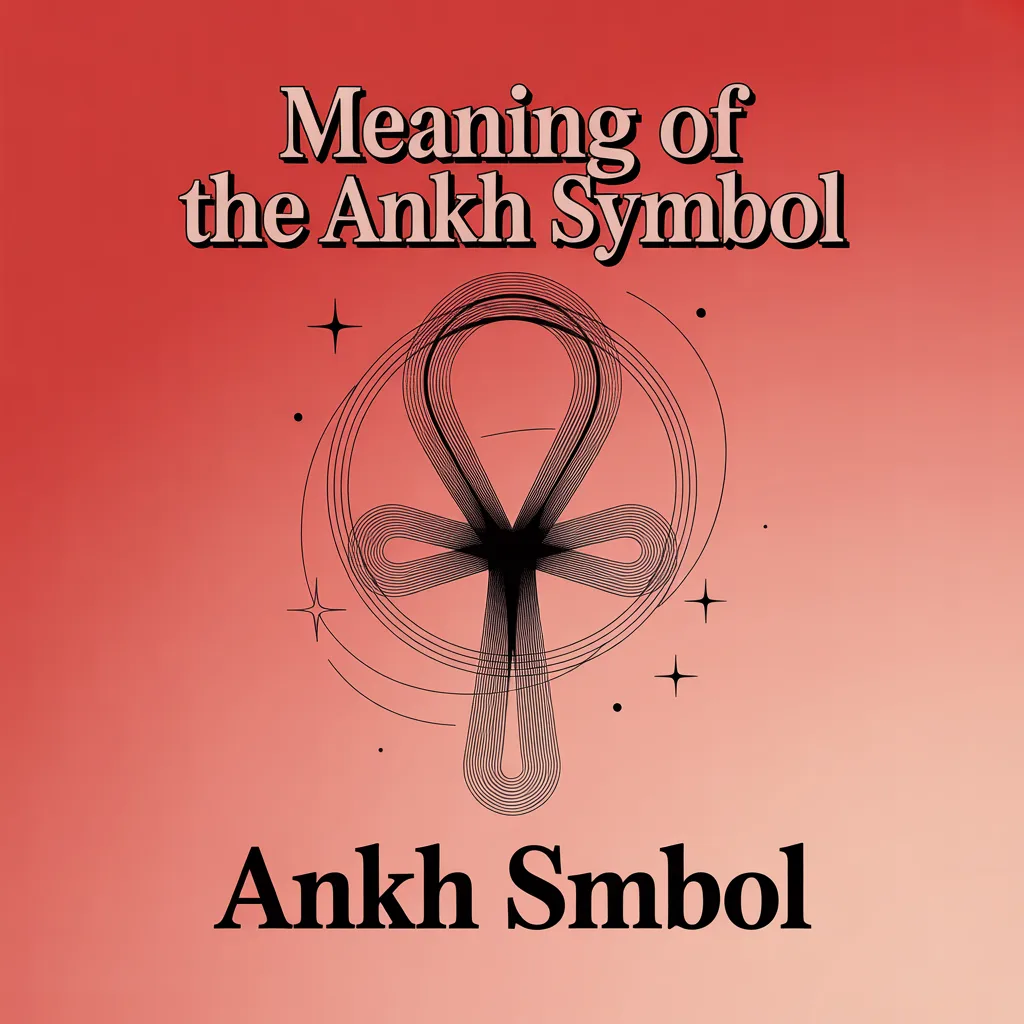
The ankh symbol is an ancient Egyptian sign that represents life and eternal existence.
In simple terms:
- It symbolizes “life itself”
- It is often linked with “immortality”
- It represents the “breath of life” in spiritual beliefs
Short interpretations people often use:
- “Life is eternal.”
- “I carry the energy of life.”
- “Protection and spiritual power.”
In ancient carvings, gods are often shown holding the ankh, offering life to humans or pharaohs.
Origin & Background
The ankh originates from Ancient Egypt, one of the world’s oldest civilizations. It dates back over 4,000 years and appears in tomb paintings, temple walls, and sacred artifacts.
In Egyptian belief, life was not just physical existence. It included spiritual continuation after death. The ankh symbol was considered a divine key that connected both worlds.
Egyptian gods such as Isis, Osiris, and Ra are frequently shown holding the ankh. This was not random decoration. It symbolized their power to give or preserve life.
Over time, the symbol evolved beyond religion. In modern culture, it became:
- A spiritual symbol in New Age practices
- A fashion element in jewelry and tattoos
- A representation of African heritage and identity
- A mystical icon in movies and pop culture
On social media platforms like Instagram and TikTok, the ankh is often shared in aesthetic posts, spiritual quotes, and self-discovery content. However, many people use it without knowing its deep historical roots.
Real-Life Conversations (MANDATORY)
WhatsApp Chat:
Person A: “Why do you wear that ankh necklace?”
Person B: “It represents life and protection. I just like what it stands for.”
Instagram DM:
Person A: “That tattoo is cool, what does it mean?”
Person B: “It’s an Egyptian symbol called the ankh. It means eternal life.”
TikTok Comments:
Person A: “Isn’t that like a cross?”
Person B: “Kind of shape-wise, but it’s actually way older and means life in ancient Egypt.”
Text Message:
Person A: “I keep seeing this symbol everywhere, what is it?”
Person B: “It’s the ankh. People use it for spiritual meaning and protection vibes.”
Emotional & Psychological Meaning
The ankh symbol carries a deep emotional weight for many people today. Even outside its historical roots, it represents something universal: the desire to live fully and meaningfully.
Psychologically, people are drawn to it because:
- It symbolizes hope and continuity
- It represents overcoming fear of death
- It connects people to ancient wisdom
- It feels grounding in a fast-moving modern world
In modern self-expression, wearing or displaying the ankh often reflects a personal search for identity or inner peace.
For example, someone going through a life transition—like starting a new job or recovering from loss—might wear an ankh necklace as a quiet reminder that life continues and evolves.
It becomes less about religion and more about emotional reassurance.
Usage in Different Contexts
The meaning of the ankh symbol changes slightly depending on where and how it is used.
Social Media
- Used in aesthetic posts and spiritual captions
- Represents “vibes of life energy”
- Often paired with quotes about growth
Friends & Relationships
- Used in tattoos or jewelry with personal meaning
- Can symbolize protection or shared beliefs
Work / Professional Settings
- Rarely used in formal environments
- Mostly seen as personal expression if visible
Casual vs Serious Tone
- Casual: fashion or style statement
- Serious: spiritual or cultural identity symbol
When NOT to Use It
Even though the ankh is widely used, there are situations where it should be handled carefully.
Avoid using it:
- As a joke or meme without understanding its meaning
- In ways that disrespect ancient Egyptian culture
- As a random decorative symbol in sensitive cultural discussions
- In professional contexts where symbolism may be misunderstood
It carries cultural and spiritual significance for many people, so awareness matters.
Common Misunderstandings
Many people misinterpret the ankh symbol due to its cross-like shape.
Common mistakes include:
- Thinking it is a Christian cross variant
- Assuming it only represents death or the afterlife
- Believing it is purely decorative with no meaning
- Confusing it with modern occult symbols
Another misunderstanding is that it has a single fixed meaning. In reality, its meaning has evolved across time and cultures.
The biggest confusion comes from mixing ancient religious symbolism with modern aesthetic usage.
Comparison Table
| Symbol | Meaning | Relation to Ankh |
|---|---|---|
| Ankh | Life, immortality | Original Egyptian symbol |
| Cross | Faith, sacrifice | Similar shape but different origin |
| Infinity (∞) | Endless cycle | Shares idea of eternity |
| Eye of Horus | Protection, healing | Same Egyptian mythology family |
| Skull | Mortality, death | Opposite symbolic meaning |
Key Insight:
The ankh stands out because it doesn’t focus on death or endings. Instead, it emphasizes continuous life, making it more about existence than conclusion.
How to Respond When Someone Uses It
If someone mentions or shows the ankh symbol, your response can depend on tone.
Casual replies:
- “That’s the Egyptian life symbol, right?”
- “Nice, I like the meaning behind it.”
Funny replies:
- “Ancient Egypt had better jewelry than us honestly.”
- “So you’re basically immortal now?”
Mature replies:
- “It’s a powerful symbol of life and spiritual continuity.”
- “It has deep historical meaning in Egyptian culture.”
Respectful replies:
- “I find it interesting how ancient symbols still matter today.”
- “It’s meaningful to a lot of people spiritually.”
Regional & Cultural Usage
Western culture
- Popular in tattoos and fashion
- Often used in spiritual or aesthetic contexts
Asian culture
- Less historically rooted
- Seen more in online aesthetics and design
Middle Eastern culture
- Respected as part of ancient civilization history
- Sometimes studied academically
Global internet usage
- Used widely in spiritual TikTok and Instagram content
- Often detached from original historical context
Generational differences
- Gen Z: aesthetic + spiritual identity
- Millennials: symbolism + cultural interest
- Older generations: historical or academic perspective
Is It Safe for Kids?
Yes, the ankh symbol itself is generally safe for kids to see or learn about.
However, understanding matters. Children should be taught:
- It is an ancient cultural symbol
- It represents life, not anything negative
- It should be respected, not misused
Context helps prevent misunderstanding.
FAQs
1. What does the ankh symbol mean in simple words?
It means life, especially eternal or spiritual life.
2. Is the ankh a religious symbol?
It comes from ancient Egyptian religion but is now used in many non-religious ways.
3. Why is the ankh so popular in tattoos?
Because it represents life, strength, and spiritual meaning.
4. Is the ankh related to the cross?
It looks similar but has a completely different origin and meaning.
5. Can anyone wear the ankh symbol?
Yes, but it should be used respectfully due to its cultural significance.
6. What does the loop on top represent?
It is often interpreted as eternal life or the soul.
Conclusion
The meaning of the ankh symbol goes far beyond its simple shape. It is an ancient representation of life, carried through thousands of years of human history and still relevant in modern expression today.
Whether seen in art, jewelry, tattoos, or social media, it continues to remind people of something deeply universal: life is continuous, meaningful, and connected across time.
Understanding its background helps you appreciate it not just as a design, but as a symbol that carries human emotion, history, and identity.
Using it with awareness makes its meaning even more powerful.
descover more post
New Orleans Symbol Meaning The Hidden Stories Behind Its …
Shield Symbol Meaning Why This Simple Icon Feels So …
FFA Symbol Meaning What It Really Stands For in Text Social …

Kavon is a passionate content creator and digital researcher who specializes in decoding symbols, meanings, and modern internet language. With a strong focus on clarity and authenticity, Kavon writes in a way that makes complex ideas simple, relatable, and useful for everyday readers.
Known for a hardworking mindset and attention to detail, Kavon is dedicated to creating content that genuinely helps people understand the deeper meanings behind words, signs, and online expressions. Every article is crafted with care, combining research, real-life insight, and a reader-first approach.
Through Symblpedia, Kavon aims to build a trusted space where curiosity meets clarity—helping users find answers that are not only accurate but also meaningful and easy to understa