Symbols quietly shape the way people communicate, think, and express identity. One symbol that often sparks curiosity is the circle with triangle inside design. You may have seen it in tattoos, jewelry, spiritual art, road signs, logos, or even social media aesthetics and wondered what it truly means.
The answer is surprisingly layered.
For some people, the symbol represents balance and unity. For others, it carries spiritual meaning connected to transformation, protection, or enlightenment. In pop culture, it may simply look artistic or mysterious. That’s why so many people search for the “circle with triangle inside symbol meaning” — the symbol changes depending on context, culture, and personal interpretation.
What makes it fascinating is how one simple geometric shape can carry emotional, philosophical, and even psychological depth across generations.
In this guide, you’ll learn what the symbol means, where it came from, how people use it online and in real life, and why it continues to feel powerful in modern communication.
Circle With Triangle Inside Symbol Meaning – Quick Meaning
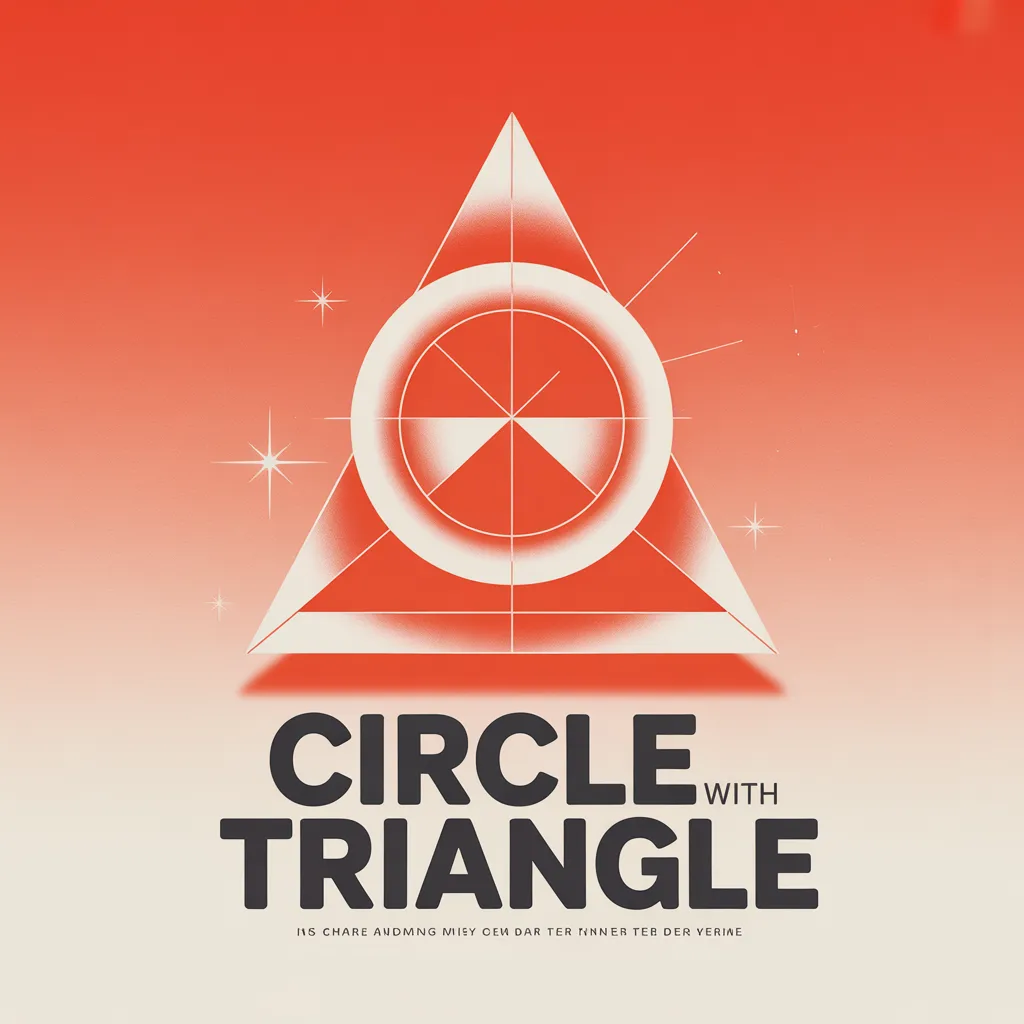
At its core, a circle with a triangle inside usually symbolizes:
- Unity and balance
- Mind, body, and spirit connection
- Protection or sacred energy
- Transformation and growth
- Eternity surrounding strength or purpose
The circle often represents wholeness, infinity, or protection.
The triangle usually symbolizes power, stability, direction, or spiritual ascension.
Together, the symbol blends these ideas into one meaningful image.
Common Interpretations
- Spiritual meaning: harmony between physical and spiritual life
- Psychological meaning: inner balance and self-awareness
- Modern aesthetic meaning: mystery, intelligence, individuality
- Religious meaning: divine connection or sacred trinity
Simple Examples
“I got the circle-triangle tattoo because it reminds me to stay balanced.”
“That symbol gives spiritual energy vibes.”
“The triangle inside the circle looks minimal but meaningful.”
Origin & Background
The circle and triangle are among the oldest symbols used by human civilizations.
Long before modern design trends, ancient cultures used geometric shapes to explain life, nature, and spirituality.
Ancient Symbolism
The circle has historically represented:
- Eternity
- The universe
- Cycles of life
- Protection
Meanwhile, the triangle often represented:
- Fire
- Strength
- Divinity
- Direction
- Masculine or feminine energy depending on orientation
When combined, the shapes became symbols of harmony between opposing forces.
Spiritual and Religious Influence
Many spiritual traditions used geometry to express sacred truths.
In Christianity, triangles sometimes represented the Holy Trinity.
In alchemy, triangles symbolized natural elements like fire and water.
In Eastern philosophies, circles often reflected enlightenment or cosmic unity.
Because of this history, modern people frequently associate the symbol with “higher meaning,” even if they don’t fully understand its origins.
Rise in Modern Culture
The symbol became especially popular through:
- Minimalist tattoo culture
- Indie and alternative fashion
- Spiritual wellness communities
- Pinterest and Instagram aesthetics
- Fantasy movies and gaming culture
Today, many people use it less as a strict religious symbol and more as a personal expression of identity, healing, mystery, or emotional depth.
Real-Life Conversations
WhatsApp Conversation
Person A:
What does your tattoo mean?
Person B:
It’s a triangle inside a circle. Kind of reminds me to stay grounded but keep growing.
Person A:
That’s actually deeper than I expected.
Instagram DM
Person A:
Why does everyone suddenly have that triangle-circle symbol in their bio?
Person B:
A lot of people use it for spiritual balance or self-growth now.
TikTok Comments
Person A:
This symbol gives main-character energy.
Person B:
Facts. It looks mysterious but peaceful at the same time.
Text Message
Person A:
I saw a necklace with a triangle inside a circle today.
Person B:
That symbol usually means unity or transformation. It’s honestly pretty beautiful.
Emotional & Psychological Meaning
Part of the symbol’s power comes from how humans emotionally react to shapes.
Psychologists and designers have long noticed that geometric forms create subconscious emotional responses.
- Circles feel safe and complete.
- Triangles feel strong and directional.
When combined, they create a balance between calmness and ambition.
That’s one reason the symbol feels emotionally satisfying to many people, even without words attached to it.
Why People Connect With It
People often use the symbol during periods of:
- Personal growth
- Healing
- Spiritual searching
- Identity changes
- Emotional recovery
It quietly communicates:
“I’m evolving, but staying centered.”
A Realistic Scenario
Imagine someone leaving a stressful phase of life after burnout or heartbreak.
Instead of posting a long emotional explanation online, they change their profile picture to a minimalist triangle-in-circle symbol.
Without saying much, the symbol reflects:
- healing,
- inner strength,
- and rebuilding balance.
That subtle emotional communication is exactly why symbolic imagery has become so powerful in digital culture.
Usage in Different Contexts
Social Media
On Instagram, TikTok, Pinterest, and X, the symbol is often used to represent:
- Spiritual awareness
- Alternative aesthetics
- Personal transformation
- Emotional depth
- Mystery or individuality
It’s especially popular in minimalist bios and tattoo inspiration posts.
Friends & Relationships
Among friends or partners, the symbol can represent:
- Loyalty
- Emotional connection
- Shared growth
- Balance in relationships
Couples sometimes use matching versions of geometric symbols to symbolize unity.
Work & Professional Settings
In professional environments, the symbol is less common unless used in:
- Creative industries
- Branding
- Wellness businesses
- Art or design spaces
Using it casually at work may seem overly spiritual or abstract depending on the audience.
Casual vs Serious Tone
Casual Use
- Fashion
- Jewelry
- Social bios
- Aesthetic content
Serious Use
- Religious symbolism
- Personal healing journeys
- Memorial tattoos
- Spiritual communities
Context changes everything.
When NOT to Use It
Even meaningful symbols can create misunderstandings if used carelessly.
Avoid Using It When:
- You don’t understand its cultural meaning
- It may conflict with religious beliefs
- You’re using it purely to mock spirituality
- The environment is formal or conservative
- People may associate it with occult symbolism
Cultural Sensitivity Matters
Some people interpret geometric symbols spiritually or religiously. Others may associate them with secret societies, mysticism, or specific belief systems.
That doesn’t mean the symbol is “bad,” but awareness helps avoid awkward misunderstandings.
Common Misunderstandings
“It Always Means Something Evil”
This is one of the biggest myths online.
Some internet discussions wrongly label geometric symbols as automatically dark or occult-related. In reality, the meaning depends heavily on context.
For many people, it simply represents balance or growth.
“It Has Only One Meaning”
Not true.
The symbol changes meaning across:
- cultures,
- religions,
- art styles,
- and personal experiences.
“It’s Just an Aesthetic Trend”
While some people use it aesthetically, others attach deeply personal meaning to it.
Assuming it’s meaningless can overlook emotional significance.
Comparison Table
| Symbol/Expression | Meaning | Tone | Common Usage |
|---|---|---|---|
| Circle with triangle inside | Balance, transformation, unity | Spiritual/modern | Tattoos, jewelry, bios |
| Yin-Yang | Harmony of opposites | Philosophical | Spiritual discussions |
| Infinity symbol | Endless connection | Emotional | Relationships |
| Triangle alone | Strength or direction | Bold | Logos, tattoos |
| Circle alone | Wholeness or eternity | Calm | Meditation, design |
| Broken circle | Incompleteness or rebellion | Emotional | Artistic symbolism |
| Arrow symbol | Progress and movement | Motivational | Social captions |
Key Insight
The circle-with-triangle symbol stands out because it combines emotional softness with inner strength. Few symbols feel both peaceful and powerful at the same time.
How to Respond When Someone Uses It
Casual Replies
- “That symbol actually looks cool.”
- “I’ve seen that everywhere lately.”
- “Minimalist but meaningful.”
Funny Replies
- “Looks like a secret society logo.”
- “You unlocked spiritual premium mode.”
- “Okay philosopher era activated.”
Mature Replies
- “I like the balance it represents.”
- “Symbols can say a lot without words.”
- “That meaning feels pretty personal and thoughtful.”
Respectful Replies
- “What does it mean to you personally?”
- “I’d love to hear the story behind it.”
- “That seems emotionally meaningful.”
Regional & Cultural Usage
Western Culture
In Western symbolism, the design is often linked to:
- self-discovery,
- spirituality,
- alternative lifestyles,
- and minimalist identity expression.
Tattoo culture especially helped popularize it.
Asian Culture
Some interpretations connect geometric balance with:
- harmony,
- meditation,
- and energy flow.
However, meanings vary widely between countries and traditions.
Middle Eastern Culture
Geometric art has deep roots in Middle Eastern design and architecture.
While the exact symbol may not always carry one fixed meaning, geometry itself often represents beauty, order, and divine structure.
Global Internet Usage
Online culture transformed the symbol into a universal aesthetic language.
Today, many people use it simply to express:
- emotional complexity,
- mystery,
- mindfulness,
- or individuality.
Gen Z vs Millennials
Gen Z
Often uses the symbol aesthetically or emotionally in:
- profile pictures,
- edits,
- tattoos,
- and mood-based content.
Millennials
More likely to connect it with:
- spirituality,
- personal healing,
- or philosophical symbolism.
Is It Safe for Kids?
Generally, yes.
The symbol itself is not harmful or inappropriate.
However, parents should understand the context in which it’s being used. In some online communities, symbols can carry spiritual, emotional, or niche cultural meanings that younger users may not fully understand.
Most of the time, though, it’s simply artistic or symbolic self-expression.
FAQs
What does a circle with a triangle inside symbolize?
It commonly symbolizes balance, unity, growth, spirituality, and personal transformation.
Is the symbol religious?
Sometimes. Certain religions and spiritual traditions use triangles and circles symbolically, but modern usage is often personal rather than religious.
Why is the symbol popular in tattoos?
People like its minimalist look combined with deep emotional or spiritual meaning.
Does the symbol have a negative meaning?
Not inherently. Meanings depend on culture, context, and personal interpretation.
What does the upward triangle represent?
An upward triangle usually symbolizes strength, ambition, fire, or spiritual growth.
Why do people use it on social media?
It creates an aesthetic sense of mystery, mindfulness, and emotional depth.
Is the symbol connected to sacred geometry?
Yes. Many people associate it with sacred geometry because of its balanced geometric structure.
Conclusion
The meaning of a circle with triangle inside symbol goes far beyond simple design.
It blends ancient symbolism, emotional psychology, modern identity, and spiritual interpretation into one small but powerful image. For some people, it represents healing. For others, ambition, balance, protection, or inner transformation.
That flexibility is exactly why the symbol continues to resonate across cultures and generations.
In a world where people often communicate emotions through visuals instead of long explanations, symbols like this quietly carry meaning words sometimes cannot.
And perhaps that’s what makes it timeless.
descover more post
Shintoism Symbol Meaning Hidden Spiritual Messages …
Sankofa Symbol Meaning Why Looking Back Can Move You …
Electrical Hazard Symbol Meaning What That Lightning Bolt …