If you’ve ever seen a cross with a loop at the top and wondered what it means, you’re not alone. The ankh symbol shows up everywhere—from tattoos and jewelry to social media aesthetics and spiritual conversations.
People search for “the ankh symbol meaning” because it feels mysterious. It looks ancient, powerful, and deeply symbolic—but its true meaning isn’t always clearly explained.
Some think it’s just an Egyptian cross. Others believe it represents life, immortality, or even hidden spiritual knowledge. The confusion comes from how widely it’s been adopted across cultures and generations.
In this guide, you’ll get a clear, human explanation of what the ankh really means, where it came from, and how people use it today—emotionally, culturally, and even digitally.
The Ankh Symbol Meaning – Quick Meaning
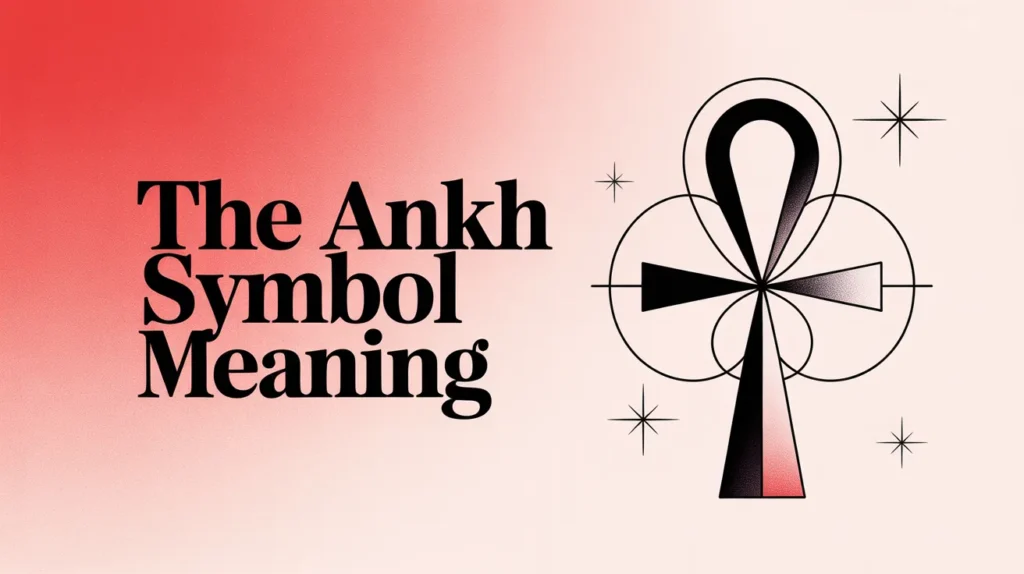
At its core, the ankh symbol represents:
- Life (especially eternal life)
- Spiritual power and divine energy
- Balance between male and female forces
- Immortality and rebirth
In ancient Egyptian culture, it was known as the “key of life.”
Simple examples in context:
- “She got an ankh tattoo to represent eternal life and strength.”
- “That necklace isn’t just fashion—it’s an ankh symbol.”
- “He said the ankh reminds him of spiritual balance.”
Origin & Background
The ankh comes from ancient Egypt, dating back thousands of years. It was commonly seen in hieroglyphs, carvings, and temple art.
Egyptian gods are often shown holding the ankh, especially near someone’s nose. This wasn’t random—it symbolized the breath of life being given.
Pharaohs also used the symbol to represent their divine connection and authority.
Over time, the ankh traveled beyond Egypt:
- It was adopted into early Christian symbolism (sometimes linked to eternal life)
- It appeared in African spiritual traditions
- It later became popular in modern spiritual and fashion culture
In the 20th and 21st centuries, social media and pop culture revived it as a symbol of identity, power, and spirituality.
Real-Life Conversations
WhatsApp Chat
Person A:
I’m thinking of getting a tattoo. Maybe something meaningful.
Person B:
What about an ankh? It represents life and strength.
Person A:
That actually feels perfect.
Instagram DMs
Person A:
That necklace you posted—is that an ankh?
Person B:
Yeah. It symbolizes eternal life. I wear it daily.
TikTok Comments
User 1:
Why is everyone wearing that symbol?
User 2:
It’s the ankh. Ancient Egyptian symbol for life.
Text Messages
Person A:
What does that cross with a loop mean?
Person B:
It’s called an ankh. It basically means life and immortality.
Emotional & Psychological Meaning
The ankh isn’t just a symbol—it carries emotional weight.
People are drawn to it because it represents:
- Hope beyond death
- Continuity and renewal
- Inner strength and identity
In a world where things feel uncertain, symbols like the ankh give people a sense of grounding. It feels timeless—like something that existed before modern chaos.
A real-life style scenario:
Someone going through a tough phase—loss, change, or identity struggles—might choose the ankh as a reminder:
“Life continues. I’m still here. There’s meaning beyond this moment.”
It becomes less about history and more about personal survival and belief.
Usage in Different Contexts
Social Media
The ankh is often used in:
- Profile pictures
- Aesthetic posts
- Spiritual captions
It signals depth, awareness, and sometimes mystery.
Friends & Relationships
Among friends, it might come up as:
- A tattoo idea
- A meaningful gift
- A shared spiritual interest
It often sparks deeper conversations.
Work / Professional Settings
In formal environments, the ankh is less common but still acceptable in subtle forms like:
- Jewelry
- Personal expression
It’s generally seen as cultural or spiritual, not offensive.
Casual vs Serious Tone
- Casual: “That looks cool.”
- Serious: “It represents life and spiritual balance.”
The meaning shifts based on how deeply someone connects with it.
When NOT to Use It
While the ankh is widely respected, there are moments to be careful:
- Mocking or trivializing its meaning
- Using it without understanding its cultural roots
- In sensitive religious discussions where it may be misunderstood
Respect matters more than trend.
Common Misunderstandings
Many people get the ankh wrong.
Common myths:
- “It’s just a cross.” → It’s not. It has a completely different origin.
- “It’s only decorative.” → It carries deep spiritual meaning.
- “It belongs to one religion.” → It has evolved across cultures.
Tone confusion:
Some use it for aesthetics, others for belief. That difference matters.
Comparison Table
| Symbol / Expression | Meaning | Context |
|---|---|---|
| Ankh | Life, immortality | Spiritual, cultural |
| Cross | Faith, sacrifice | Christian religion |
| Yin-Yang | Balance | Eastern philosophy |
| Infinity symbol | Endless continuity | General symbolism |
| Skull | Death, mortality | Edgy or artistic |
Key Insight
The ankh stands out because it doesn’t just represent life—it represents life that continues beyond limits, blending physical existence with spiritual belief.
How to Respond When Someone Uses It
Casual Replies
- “That looks really meaningful.”
- “I like the vibe of that symbol.”
Funny Replies
- “So you’re basically immortal now?”
- “Ancient Egypt energy unlocked.”
Mature Replies
- “That symbol carries deep history. Respect.”
- “I appreciate the meaning behind it.”
Respectful Replies
- “That’s a powerful choice.”
- “It clearly means something important to you.”
Regional & Cultural Usage
Western Culture
Often used as:
- Fashion statement
- Spiritual symbol
- Identity expression
Asian Culture
Less common, but seen in:
- Global spiritual communities
- Artistic and symbolic contexts
Middle Eastern Culture
Recognized historically but used carefully due to cultural awareness and religious sensitivity.
Global Internet Usage
Online, the ankh is:
- Aesthetic
- Symbolic
- Sometimes misunderstood
Generational Differences
- Gen Z: Uses it for identity, aesthetics, and spirituality
- Millennials: More focused on symbolism and meaning
Is It Safe for Kids?
Yes, generally.
The ankh is not harmful—it represents life and positivity. However, context matters:
- Kids may see it as just a design
- Adults should explain its meaning if used seriously
FAQs
1. What does the ankh symbol literally mean?
It means “life,” especially eternal or spiritual life.
2. Is the ankh religious?
It’s spiritual and cultural, not tied to one modern religion.
3. Why do people wear the ankh?
For meaning, identity, protection, or aesthetic reasons.
4. Is the ankh the same as a cross?
No. They look similar but have different origins and meanings.
5. Can anyone use the ankh symbol?
Yes, but it should be used respectfully.
6. Is the ankh still relevant today?
Very much—it’s widely used in modern culture and spirituality.
Conclusion
The ankh symbol has survived thousands of years for a reason.
It speaks to something deeply human—the desire to understand life, hold onto it, and believe it continues beyond what we can see.
Whether worn as jewelry, inked as a tattoo, or shared online, the ankh isn’t just a trend. It’s a quiet reminder that life carries meaning—past, present, and beyond.
Use it with awareness, and it becomes more than a symbol. It becomes part of your story.
descover more post
Hummingbird Symbol Meaning Deep Spiritual Emotional 2026
Expiry Date Symbol Meaning What It Really Says About Time …
Cancer Zodiac Symbol Meaning The Hidden Power Behind …

Orvian is a passionate researcher and dedicated content creator focused on exploring the deeper meanings behind symbols, signs, and cultural interpretations. With a strong interest in symbolism and human psychology, Orvian simplifies complex ideas into clear, engaging, and easy-to-understand content for readers around the world.
Through consistent research and thoughtful writing, Orvian aims to provide accurate, insightful, and meaningful information that helps users connect with symbols on a deeper level—whether for personal growth, curiosity, or knowledge.
Known for a hardworking mindset and attention to detail, Orvian believes that every symbol carries a story, and every story deserves to be understood.