The Om or Aum symbol is one of the most recognized spiritual symbols in the world. You’ve probably seen it in yoga studios, meditation apps, jewelry, tattoos, or social media bios. But despite its popularity, many people still wonder what it actually means.
Is it a religious symbol? A sound? A mantra? A meditation tool?
The confusion often comes from how widely the symbol is used today. Some people treat it as a peaceful wellness icon, while others see it as deeply sacred and spiritual. Understanding the real meaning behind Om helps you appreciate why it carries such emotional and cultural power.
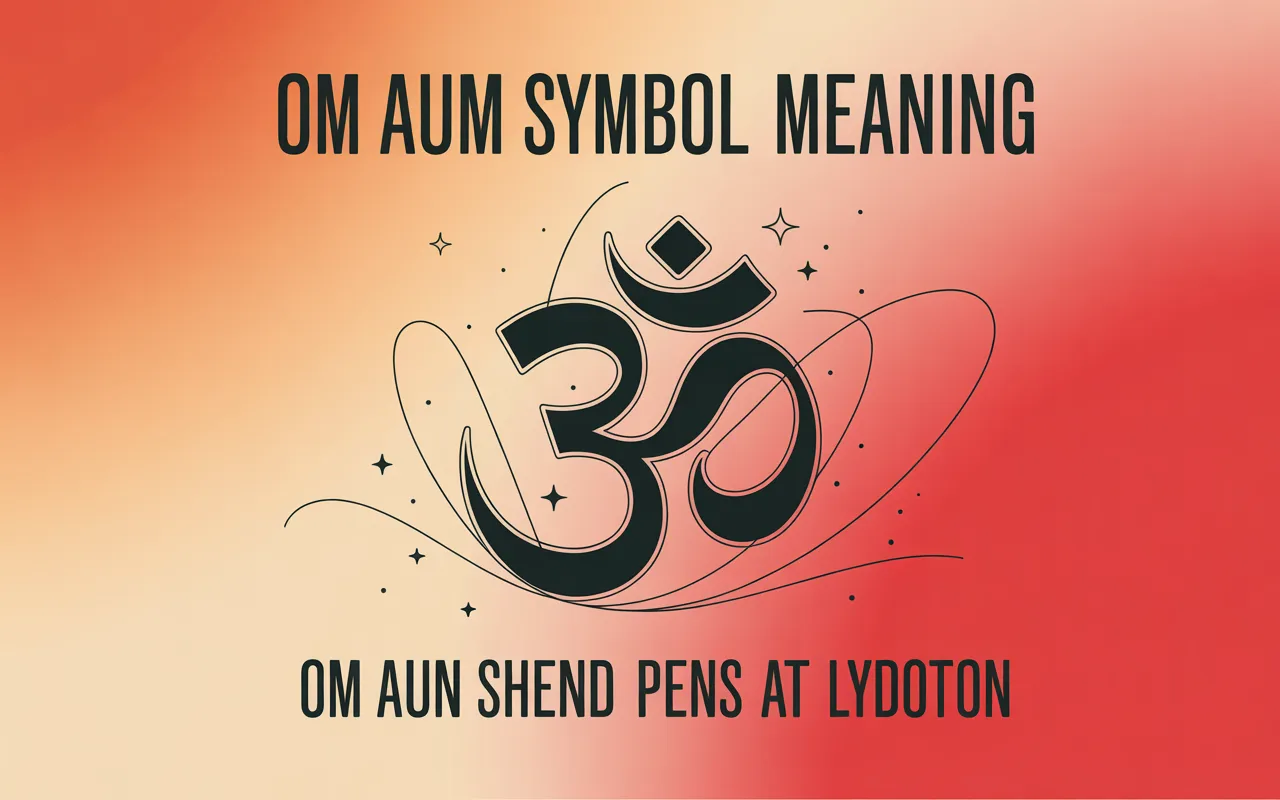
At its core, Om (also written as Aum) represents the sound of the universe, inner consciousness, and spiritual connection. It is believed to be the first vibration from which all existence began.
For millions of people across Hinduism, Buddhism, Jainism, and spiritual traditions worldwide, Om is not just a symbol. It is an experience.
Om Aum Symbol Meaning – Quick Meaning
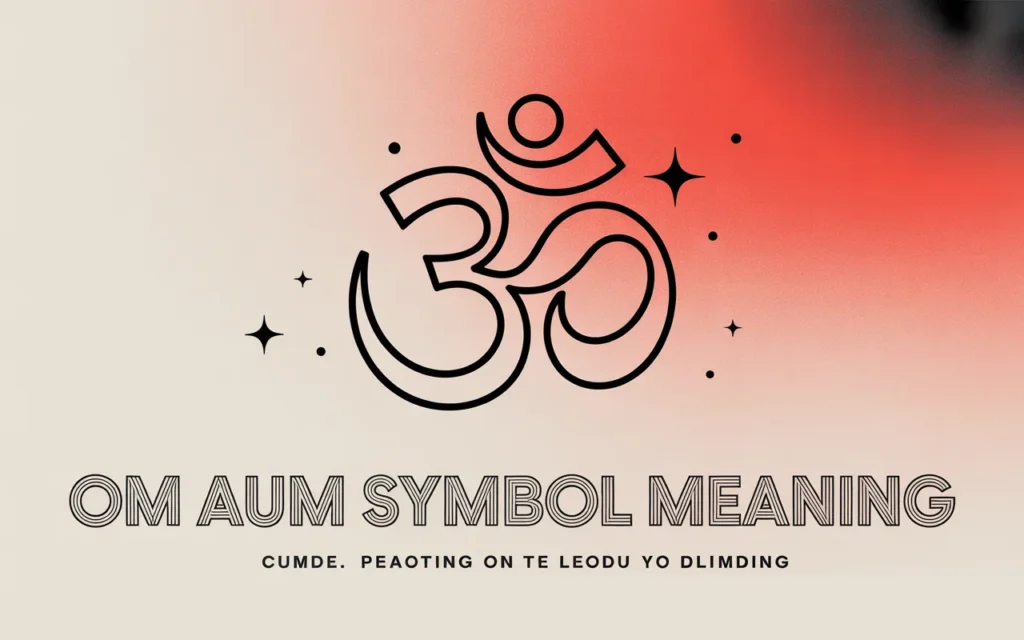
The Om or Aum symbol represents:
- Universal consciousness
- Spiritual awareness
- Peace and unity
- The vibration of creation
- Connection between mind, body, and soul
The sound is traditionally pronounced as “A-U-M,” flowing into silence.
Each part carries symbolic meaning:
- A = Creation
- U = Preservation
- M = Transformation or dissolution
- Silence afterward = Pure consciousness
Short Examples
“I chant Om before meditation because it calms my thoughts.”
“The Aum symbol reminds me to stay spiritually grounded.”
“Hearing Om in yoga class instantly makes me feel peaceful.”
Origin & Background
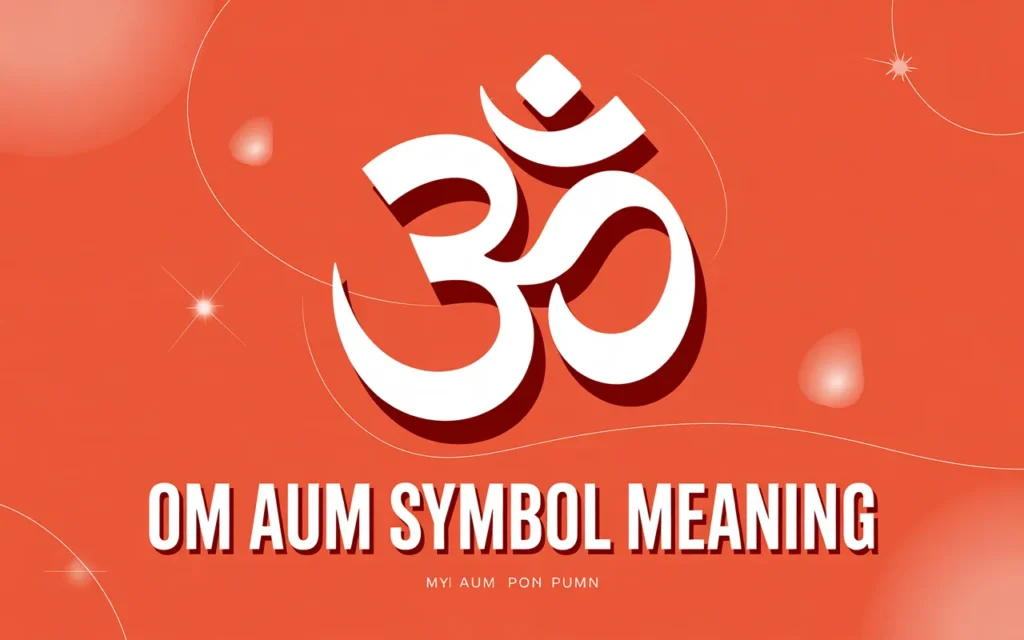
The origins of Om go back thousands of years to ancient India. It first appeared in sacred Hindu texts called the Vedas and later became central to spiritual philosophy in the Upanishads.
In Sanskrit, Om is considered a “primordial sound,” meaning the original vibration of existence itself.
Ancient spiritual teachers believed the universe was created through vibration and sound. Om symbolized that first cosmic vibration.
Over time, the symbol spread into:
- Hinduism
- Buddhism
- Jainism
- Yoga traditions
- Meditation practices
- Modern wellness culture
Today, Om has evolved far beyond temples and sacred texts.
On social media, people use the symbol to express:
- Spiritual identity
- Inner peace
- Healing energy
- Mindfulness
- Positive living
However, this modern popularity also created misunderstandings. Some people use Om casually without knowing its sacred significance, which can sometimes feel disrespectful to those who practice traditions connected to it.
That balance between spirituality and modern culture is part of why people keep searching for the true meaning of Om.
Real-Life Conversations
WhatsApp Conversation
Person A:
I’ve been stressed all week.
Person B:
Try meditation with Om chanting. It seriously helps me slow down mentally.
Person A:
Does it actually work?
Person B:
More than I expected. The vibration feels calming.
Instagram DM
Person A:
I love your Om tattoo. What does it mean to you?
Person B:
Honestly, peace. It reminds me not to let chaos control my mind.
TikTok Comments
User 1:
Why do people chant Aum in yoga?
User 2:
It’s believed to represent the sound of the universe and inner awareness.
User 3:
I thought it was just aesthetic.
User 2:
It’s actually deeply spiritual in many cultures.
Text Message
Person A:
I started saying Om during breathing exercises.
Person B:
Did it help?
Person A:
Yeah. Weirdly emotional but calming at the same time.
Emotional & Psychological Meaning
The emotional impact of Om comes from both sound and symbolism.
When people chant Om slowly, the vibration travels through the chest, throat, and head. Many describe it as grounding, soothing, and mentally clearing.
Psychologically, Om represents something people deeply crave today:
- Stillness
- Balance
- Emotional reset
- Connection
- Presence
Modern communication is fast, loud, and overwhelming. Om symbolizes the opposite. It encourages slowing down and becoming aware of the present moment.
That’s why many people are drawn to it during stressful periods of life.
Personal-Style Scenario
A person overwhelmed with work pressure may begin practicing five minutes of quiet breathing with Om chanting before bed. Over time, the ritual becomes less about spirituality and more about emotional stability. The sound becomes associated with safety, calm, and mental clarity.
That emotional association is powerful.
Usage in Different Contexts
Social Media
People often use the Om symbol in:
- Bios
- Spiritual posts
- Yoga content
- Healing quotes
- Meditation videos
It usually communicates peaceful energy or spiritual awareness.
Friends & Relationships
Among friends, mentioning Om or meditation often reflects:
- Emotional growth
- Wellness habits
- Inner healing
- Self-care
Example:
“I started chanting Om every morning to reduce anxiety.”
Work & Professional Settings
In professional spaces, Om is generally used carefully.
It may appear in:
- Wellness workshops
- Yoga studios
- Meditation apps
- Mental health discussions
However, using it jokingly or casually at work can feel inappropriate because of its religious and cultural importance.
Casual vs Serious Tone
Casual Use
“I listen to Om meditation tracks while studying.”
Serious Spiritual Use
“Om represents divine consciousness in Hindu philosophy.”
Tone matters heavily with this symbol.
When NOT to Use It
There are situations where using the Om symbol may cause misunderstanding or offense.
As a Fashion Trend Without Awareness
Using Om purely as decoration while mocking spirituality can feel disrespectful.
In Jokes or Memes
Many practitioners consider Om sacred. Turning it into a joke may upset people.
On Inappropriate Products
Some communities object to Om being printed on shoes, floor mats, or objects placed on the ground because the symbol is spiritually revered.
During Religious Discussions Without Context
Assuming all people interpret Om the same way can create confusion. Different traditions view it differently.
Common Misunderstandings
“Om Is Just a Yoga Symbol”
Not true.
Yoga adopted Om from much older spiritual traditions.
“Om Belongs to One Religion Only”
While deeply connected to Hinduism, Om also appears in Buddhism and Jainism.
“It’s Only About Relaxation”
Relaxation is part of it, but Om traditionally represents cosmic consciousness and existence itself.
“Aum and Om Are Different”
They refer to the same sacred sound. “Aum” reflects the fuller Sanskrit pronunciation.
Comparison Table
| Expression | Meaning | Tone | Context |
|---|---|---|---|
| Om / Aum | Universal spiritual sound | Peaceful | Meditation, spirituality |
| Namaste | Respectful greeting | Warm | Yoga, culture |
| Zen | Calm mental state | Relaxed | Lifestyle, mindfulness |
| Mantra | Repeated spiritual phrase | Focused | Meditation |
| Chaos | Mental disorder or confusion | Negative | Stressful situations |
| Inner Peace | Emotional calmness | Gentle | Wellness conversations |
| Spiritual Awakening | Deep self-realization | Serious | Personal growth |
Key Insight
Om is different from ordinary spiritual phrases because it is believed to symbolize existence itself. It is both a sound and a philosophy, which gives it emotional depth across cultures.
How to Respond When Someone Uses It
Casual Replies
- “That sounds peaceful.”
- “I’ve wanted to try that too.”
- “Meditation really helps some people.”
Funny Replies
- “I need an Om session after this week.”
- “My brain definitely needs spiritual buffering.”
Mature Replies
- “I respect the meaning behind that practice.”
- “Mindfulness can make a huge difference emotionally.”
Respectful Replies
- “Thank you for explaining the spiritual meaning.”
- “I appreciate learning more about the tradition.”
Regional & Cultural Usage
Western Culture
In many Western countries, Om is strongly linked with:
- Yoga
- Meditation
- Wellness
- Self-care
Sometimes it is used aesthetically without deeper religious understanding.
Asian Culture
In South Asia especially, Om remains deeply sacred.
It often appears in:
- Temples
- Prayer spaces
- Religious texts
- Ceremonies
The emotional respect attached to it is much stronger.
Middle Eastern Culture
Usage is less common publicly but appears within global wellness communities and spiritual discussions.
Interpretation often depends on individual openness to meditation or yoga culture.
Global Internet Usage
Online, Om symbolizes:
- Calmness
- Healing
- Spiritual identity
- Positive energy
It is widely used in wellness content and mindfulness communities.
Generational Differences
Gen Z
Often encounters Om through:
- TikTok spirituality
- Meditation apps
- Yoga influencers
- Mental health conversations
Millennials
More commonly associate Om with:
- Yoga culture
- Personal healing
- Stress management
- Spiritual exploration
Older generations may view it more traditionally and religiously.
Is It Safe for Kids?
Yes, in most contexts.
Teaching children about Om through mindfulness, breathing, or cultural education is generally positive and calming.
However, parents and educators should explain that it is also a sacred spiritual symbol for many people. Respectful understanding matters more than casual imitation.
FAQs
What does the Om symbol actually mean?
It represents universal consciousness, spiritual connection, and the sacred sound of existence.
Is Om religious or spiritual?
It can be both. Om has religious roots but is also widely used in spiritual and mindfulness practices.
Why do people chant Om?
People chant Om for meditation, focus, calmness, and spiritual awareness.
Is there a difference between Om and Aum?
No major difference. “Aum” reflects the fuller traditional pronunciation.
Can non-religious people use Om?
Yes, many people use Om in meditation or wellness practices respectfully without following a religion.
Why is Om considered powerful?
Many traditions believe its vibration connects the mind and body while symbolizing the universe itself.
Is it disrespectful to tattoo the Om symbol?
Opinions differ. Some see it as meaningful self-expression, while others believe sacred symbols should be treated carefully.
Conclusion
The Om or Aum symbol carries far more meaning than most people realize at first glance.
What looks like a simple spiritual icon actually represents thousands of years of philosophy, emotion, sound, meditation, and human connection. For some, Om is deeply religious. For others, it is a reminder to breathe, slow down, and reconnect with themselves.
Its power comes from both simplicity and depth.
One sound. One symbol. Yet it speaks to peace, awareness, and existence itself.
Understanding the meaning behind Om helps you use it more thoughtfully and appreciate why it continues to resonate across generations, cultures, and modern digital life.
Whether you encounter it in meditation, conversation, yoga, or online culture, you can now recognize the deeper story behind the symbol with confidence and respect.
descover more post
3 Circle Symbol Meaning What It Really Represents in …
Acorn Symbol Meaning A Tiny Seed with Powerful Life …
What Does UNK Symbol Meaning Really Mean … – Symbl Pedia