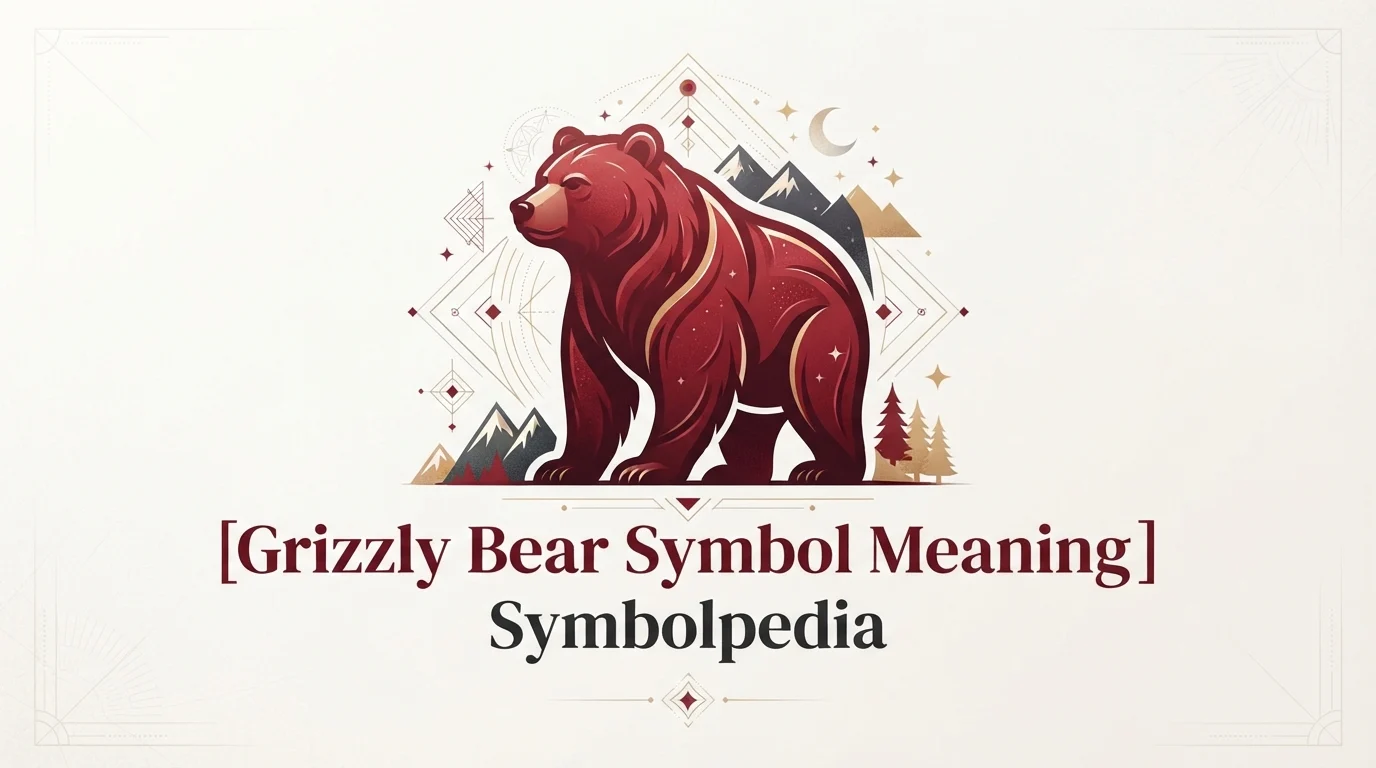
Few animals capture the human imagination quite like the grizzly bear. Powerful, independent, and deeply connected to the wilderness, this remarkable creature has become a symbol of strength, courage, protection, and resilience across many cultures.
But what does the grizzly bear symbol meaning really represent? Is it simply about physical power, or does it carry a deeper spiritual and emotional message?
For many people, the grizzly bear represents the ability to stand firm during difficult times, protect loved ones, establish personal boundaries, and trust one’s instincts. Its presence in dreams, artwork, tattoos, jewelry, and spiritual discussions often reflects a desire to feel stronger, safer, or more connected to nature.
The meaning can also change depending on the context. A grizzly bear standing protectively beside its cubs may symbolize parental devotion, while a bear roaring in the wilderness can represent courage, authority, or the refusal to be intimidated.
People search for the meaning of this animal symbol for different reasons. Some feel personally drawn to bears, others encounter them in dreams, and many want to understand the symbolism behind Indigenous art, wildlife imagery, or bear tattoos.
This guide explores the grizzly bear’s symbolism, spiritual associations, cultural background, emotional meaning, and modern interpretations. It also explains how to use the symbol respectfully without confusing personal beliefs with the traditions of specific cultures.
Grizzly Bear Symbol Meaning — Quick Guide
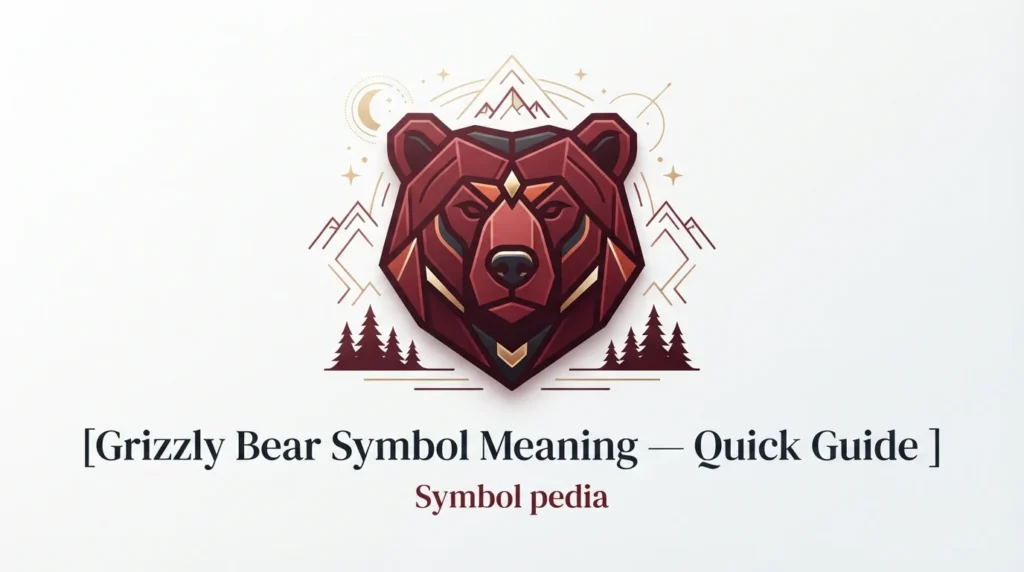
The grizzly bear commonly symbolizes strength, courage, protection, resilience, independence, and a powerful connection to nature.
Its symbolism comes partly from the animal’s real characteristics: its physical strength, ability to survive in demanding environments, and instinct to defend itself and its young.
Here are the most common interpretations:
- Strength: The ability to face difficult situations without giving up.
- Courage: Facing fear and uncertainty with determination.
- Protection: Defending loved ones, personal values, and emotional boundaries.
- Resilience: Recovering from hardship and adapting to change.
- Independence: Trusting your abilities and finding your own direction.
- Groundedness: Staying connected to reality, nature, and personal priorities.
- Instinct: Paying attention to warning signs and inner feelings.
- Balance: Recognizing when to act decisively and when to rest.
Consider these examples of how people might interpret the symbol:
- “The grizzly bear reminds me to stay strong when life gets difficult.”
- “I chose a bear tattoo to represent protecting my family.”
- “Seeing a grizzly in my dream made me think about the boundaries I need to establish.”
These are personal interpretations rather than universal definitions. The meaning of a grizzly bear symbol depends on the person’s experiences, cultural background, and reasons for connecting with it.
Origin and Background of Grizzly Bear Symbolism
The grizzly bear in the natural world
The grizzly bear is a population of the brown bear, Ursus arctos, found in parts of North America. Its powerful body, strong claws, keen senses, and ability to survive in challenging habitats have contributed to its reputation as an impressive wilderness animal.
Grizzlies are not simply aggressive creatures, however. They forage for food, raise their young, avoid unnecessary confrontations, and respond to their surroundings according to their needs.
Understanding these behaviors adds depth to the symbolism. Strength does not always mean fighting. Sometimes it means recognizing danger, conserving energy, or choosing to avoid conflict.
Indigenous cultural connections
Bears hold important places in the stories, artistic traditions, and spiritual worldviews of various Indigenous peoples across North America.
However, these traditions are diverse. Different Nations and communities have their own relationships with bears, including teachings involving respect for animals, responsibility, courage, healing, and the relationship between humans and the natural world.
There is no single Indigenous interpretation of the grizzly bear that applies to every community. Some meanings are specific to particular stories, ceremonies, families, or cultural traditions.
Anyone exploring Indigenous bear symbolism should seek sources from the relevant Nation or community rather than treating distinct traditions as interchangeable spiritual concepts.
Folklore and traditional storytelling
Across many parts of the world, bears appear in folklore as formidable animals associated with wilderness, power, danger, and sometimes wisdom.
In some European stories, bears are portrayed as strong adversaries or powerful figures. In other traditions, they appear as guardians, ancestors, or beings that blur the boundary between human and animal worlds.
These stories have helped shape the modern image of the bear as an animal that commands respect.
The influence of modern media
Films, books, wildlife documentaries, outdoor brands, and social media have introduced new layers of bear symbolism.
Today, the grizzly bear often appears in motivational artwork, survival-themed designs, sports imagery, and personal tattoos. It may represent toughness, self-reliance, or a determination to overcome obstacles.
Online spiritual discussions sometimes describe the bear as a spirit animal or a sign of personal transformation. These interpretations can be meaningful to individuals, but they should not automatically be presented as ancient beliefs shared by every culture.
Real-Life Conversations: How People Interpret the Grizzly Bear Symbol
The following fictional conversations illustrate how grizzly bear symbolism can appear in everyday discussions.
1. WhatsApp: A Symbol of Personal Strength
Person A: “Why did you change your profile picture to a grizzly bear?”
Person B: “I’ve been dealing with a lot lately. I wanted something that reminds me not to give up.”
Person A: “Honestly, that makes sense. You’ve handled more than most people realize.”
Person B: “That’s what I want to remember. Being strong doesn’t mean everything is easy.”
Meaning: The bear represents perseverance and the ability to continue through difficult circumstances.
2. Instagram DMs: Choosing a Tattoo
Person A: “Are you really getting a grizzly bear tattoo?”
Person B: “Yes! I want it to represent strength and protecting my family.”
Person A: “That’s actually a beautiful meaning.”
Person B: “Exactly. I want something powerful that also reminds me who I’m doing everything for.”
Meaning: Here, the grizzly symbolizes family loyalty, responsibility, and protective strength.
3. TikTok Comments: Interpreting a Bear Encounter
Person A: “Imagine seeing this grizzly while hiking. I’d be terrified.”
Person B: “Same, but it’s also incredible how powerful and beautiful they are.”
Person C: “It reminds me that nature deserves respect, not fear alone.”
Meaning: The bear represents both awe and humility. Its presence reminds people that humans share the natural world with powerful wildlife.
4. Text Messages: A Dream About a Grizzly
Person A: “I dreamed a huge grizzly was following me last night. What do you think it means?”
Person B: “Maybe you’ve been feeling pressured by something lately?”
Person A: “Actually, I’ve been avoiding a difficult conversation at work.”
Person B: “That could be one way to interpret it. Dreams don’t have one fixed meaning, though.”
Meaning: The bear becomes a possible symbol of pressure, fear, or a situation the dreamer needs to confront. The interpretation comes from the dreamer’s personal circumstances rather than a universal rule.
Emotional and Psychological Meaning of the Grizzly Bear
The grizzly bear often resonates with people because it represents qualities they want to develop or recognize in themselves.
Its image can communicate strength without requiring a long explanation. For someone going through a difficult period, a bear symbol may serve as a reminder to remain steady and protect what matters.
Strength without constant aggression
A common misconception is that strength means always appearing tough. The grizzly offers a more nuanced image.
In nature, survival involves more than confrontation. Bears must make decisions about feeding, resting, avoiding threats, and protecting themselves.
Symbolically, this can remind people that strength includes patience, judgment, and knowing when not to engage in conflict.
Protection and emotional boundaries
The grizzly bear’s association with protecting its young contributes to its symbolism of care and defense.
For a person who has spent years putting everyone else first, the symbol may represent learning to protect their own time, energy, and emotional well-being.
It can also remind someone that healthy protection is different from controlling other people.
Resilience through difficult seasons
Grizzly bears live in environments where food availability, weather, and seasonal changes affect their behavior.
Their ability to adapt makes them a compelling symbol of resilience. People may connect with the bear when recovering from a breakup, changing careers, rebuilding confidence, or starting again after disappointment.
The message is not that hardship disappears. It is that a person can develop the strength and flexibility to move through it.
Independence and self-trust
A grizzly bear can also symbolize self-reliance. This interpretation appeals to people who are learning to make decisions without depending entirely on outside approval.
Independence does not mean refusing support. Instead, it means recognizing your own judgment while remaining open to guidance when necessary.
A personal-style scenario
Imagine someone who has spent months saying yes to every request from friends and coworkers. Eventually, exhaustion catches up with them.
They choose a small grizzly bear pendant as a reminder to establish healthier boundaries. Whenever they notice themselves agreeing out of guilt, they remember the qualities they associate with the animal: steadiness, awareness, and self-respect.
The pendant does not magically change their circumstances. Its value lies in the meaning they attach to it and the choices it helps them remember.
That is one reason animal symbols can feel powerful: they turn an abstract personal goal into a visible, memorable image.
Grizzly Bear Symbolism in Different Contexts
1. Spirituality
In contemporary spiritual interpretations, the grizzly bear may represent inner strength, grounding, protection, and the need to trust personal instincts.
Some people view an encounter with a bear as an invitation to slow down, reflect, or become more aware of their surroundings.
These are personal spiritual interpretations, not objectively established messages from the universe.
2. Dreams
A grizzly bear in a dream can have different meanings depending on what happens and how the dreamer feels.
- A calm bear might represent confidence or a desire for stability.
- A threatening bear might reflect stress, fear, or a sense of being overwhelmed.
- A protective bear might connect with family, safety, or the need for support.
- A bear walking away might suggest distance, independence, or the resolution of tension.
Dreams do not have scientifically established universal symbol dictionaries. Personal experiences, memories, and emotions are more useful starting points than rigid interpretations.
3. Tattoos and body art
Grizzly bear tattoos frequently represent courage, resilience, family protection, or a connection to wilderness.
A roaring bear may communicate determination and assertiveness. A bear with cubs can emphasize family and care, while a bear walking through a forest may symbolize independence and a grounded lifestyle.
The artistic style also affects the impression. Realistic wildlife tattoos often emphasize respect for nature, while geometric or minimalist designs may focus on personal identity.
4. Social media and profile pictures
A grizzly bear profile picture can project confidence, toughness, independence, or an interest in wildlife.
However, it does not automatically reveal someone’s personality. Some people simply like bears or admire their appearance.
If you see a bear symbol in someone’s profile, consider it an expression of taste or identity rather than definitive evidence of how that person behaves.
5. Work and professional settings
In professional environments, a grizzly bear logo may communicate endurance, reliability, strength, or competitiveness.
Businesses, athletic teams, and outdoor organizations may use bear imagery to establish a bold identity.
In a workplace presentation, the symbol can work well when it supports a clear message. It is less appropriate when the aggressive side of the imagery conflicts with a need for collaboration, sensitivity, or approachability.
6. Casual versus serious use
In casual conversation, a grizzly bear may be a fun symbol of toughness or a playful way to describe a protective friend.
In serious discussions, it may represent survival, family responsibility, cultural identity, or respect for wildlife.
The same image can feel humorous, inspiring, intimidating, or deeply personal depending on how it is used.
When Not to Use the Grizzly Bear Symbol
Although grizzly bear imagery is widely recognizable, context and cultural sensitivity matter.
Avoid treating cultural symbols as generic decorations. If a bear image comes from a specific Indigenous Nation’s art or ceremonial tradition, research its meaning and follow guidance from that community before using it.
Do not use the symbol to intimidate others. A bear can represent healthy boundaries and courage, but using it to threaten or frighten people changes the message.
Be careful with spiritual claims. Avoid telling someone that a bear appearing in their dream definitely predicts danger, success, or a supernatural event.
Respect the realities of wildlife. Grizzly bears are wild animals, not harmless mascots. Images and messages about them should not encourage people to approach, feed, or provoke them.
Consider the audience. A roaring bear may suit a sports logo but may be too aggressive for a project focused on comfort, caregiving, or peaceful cooperation.
Common Misunderstandings About Grizzly Bear Symbolism
Misunderstanding 1: The grizzly bear only represents aggression
The animal’s power can suggest danger, but its symbolism also includes patience, protection, resilience, and self-preservation.
Misunderstanding 2: Every bear encounter is a spiritual sign
Some people interpret encounters spiritually, while others see them as ordinary wildlife experiences. There is no objective basis for assuming that every encounter carries a predetermined supernatural message.
Misunderstanding 3: Grizzly bears and all other bears have identical symbolism
Different bear species have different habitats, appearances, and behaviors. Artists and individuals may assign them distinct meanings, even though many symbolic themes overlap.
Misunderstanding 4: A bear tattoo proves someone is fearless
A tattoo reveals something about the image a person chose, not necessarily how they behave in every situation. Someone might choose a bear precisely because they are trying to build confidence.
Misunderstanding 5: The symbol means the same thing in every culture
Bear symbolism varies between communities, historical periods, and personal belief systems. A respectful interpretation recognizes those differences instead of inventing a universal meaning.
Misunderstanding 6: Strength means never asking for help
The grizzly’s association with independence does not mean that people should isolate themselves. Resilience can involve accepting support, seeking advice, and knowing when to step back.
Comparison Table: Grizzly Bear and Related Animal Symbols
| Symbol | Common symbolic associations | Main distinction |
|---|---|---|
| Grizzly bear | Strength, protection, resilience | Often emphasizes grounded power and self-reliance |
| Lion | Leadership, courage, authority | More commonly associated with royalty and public leadership |
| Wolf | Loyalty, instinct, community | Often highlights cooperation and group relationships |
| Eagle | Freedom, vision, perspective | Commonly associated with seeing the bigger picture |
| Owl | Wisdom, observation, mystery | Often represents knowledge and careful perception |
| Deer | Gentleness, sensitivity, grace | Emphasizes a softer approach to life’s challenges |
| Snake | Transformation, renewal, danger | Often associated with change and the shedding of old patterns |
| Rabbit | Alertness, fertility, vulnerability | More often highlights sensitivity and quick responses |
| Dove | Peace, hope, reconciliation | Represents gentleness rather than physical power |
Key Insight
The grizzly bear stands out because it combines power with protection and resilience. Other animals may emphasize leadership, wisdom, gentleness, or transformation. These are broad symbolic associations, not fixed meanings, and individual interpretations can differ considerably.
How to Respond When Someone Uses a Grizzly Bear Symbol
If someone shares a grizzly bear image, tattoo, or profile picture, your response can reflect your relationship with them and the context.
Casual replies
- “That’s a powerful design!”
- “Bears are incredible animals.”
- “I like the meaning behind that.”
- “That gives off serious wilderness vibes.”
Funny replies
- “Someone has officially entered their grizzly era.”
- “Strong bear energy!”
- “I’m guessing you’re the protective friend of the group.”
- “That bear definitely looks like it means business.”
Keep jokes friendly and avoid making assumptions about the person’s temperament.
Mature replies
- “What does the bear symbolize for you?”
- “Is there a personal story behind the design?”
- “I like how the image connects strength with nature.”
- “Did you choose it for its symbolism or its appearance?”
Respectful replies
If the image relates to cultural identity or spirituality, allow the person to explain its significance without challenging or dismissing their beliefs.
A thoughtful question is often better than assuming you already know what the symbol means.
Regional and Cultural Usage of the Grizzly Bear Symbol
Western cultures
In Canada and the United States, grizzly bears are recognizable wildlife symbols associated with wilderness, outdoor adventure, strength, and conservation.
They may appear in tourism imagery, outdoor branding, sports logos, and discussions about living alongside wildlife. The animal’s meaning can be practical, cultural, personal, or spiritual.
Asian cultures
Bear symbolism varies widely across Asia because the region includes many distinct cultural traditions and bear species.
In some Japanese contexts, bears appear in folklore and local traditions, while contemporary designs may use bears as symbols of strength or as friendly characters. Other communities have their own stories and interpretations.
It would be inaccurate to assume that one meaning applies throughout Asia or that grizzly bear symbolism is identical to the symbolism of native Asian bear species.
Middle Eastern cultures
The grizzly bear is not a universal or historically central symbol throughout the Middle East. Its modern meaning may come through international media, wildlife imagery, personal spirituality, or popular tattoo designs.
Individuals in the region may associate it with courage, protection, wilderness, or personal strength, but these interpretations should not be presented as a single regional tradition.
Global internet culture
Online, the grizzly bear has become a flexible visual shorthand for toughness, confidence, independence, and wilderness appreciation.
Its appearance in memes and profile pictures can also be humorous. Someone might use a bear image to express a strong personal identity without intending a spiritual message.
Gen Z versus Millennials
Younger and older internet users may use grizzly bear imagery differently depending on their interests and online communities.
Some Gen Z users might incorporate it into aesthetic profiles, memes, or identity-focused posts. Some Millennials may connect it with outdoor adventure, conservation, or established tattoo traditions.
These are possible trends, not reliable generational rules. Personal interests usually explain an individual’s choice better than their age.
Is the Grizzly Bear Symbol Safe for Kids?
Yes. Grizzly bear imagery is generally suitable for children when presented in an age-appropriate way.
It can help introduce ideas such as courage, respect for wildlife, protecting loved ones, and understanding nature. Books and documentaries can also teach children that bears are wild animals whose behavior deserves respect.
The main consideration is the context. Some artwork may depict violent encounters, frightening scenes, or graphic imagery that is unsuitable for younger children.
Parents and educators can use bear symbolism to discuss the difference between being strong and being aggressive. Children can learn that real courage includes making safe decisions, asking for help, and treating other living things responsibly.
Frequently Asked Questions
1. What does the grizzly bear symbolize spiritually?
In contemporary spiritual interpretations, the grizzly bear may represent strength, protection, resilience, grounding, and instinct. These meanings are personal or tradition-specific rather than universal spiritual facts.
2. Is the grizzly bear a symbol of strength?
Yes. Strength is one of its most common symbolic associations. It can represent physical power, emotional resilience, determination, and the ability to face difficult circumstances.
3. What does a grizzly bear tattoo mean?
A grizzly bear tattoo may represent courage, independence, family protection, resilience, or a connection to nature. The design and the wearer’s personal experiences help determine its meaning.
4. What does it mean to dream about a grizzly bear?
A grizzly bear in a dream might reflect confidence, fear, pressure, protection, or a need to establish boundaries. Dream interpretation is subjective, and the dreamer’s emotions and circumstances matter most.
5. What does a grizzly bear represent in Indigenous cultures?
Bear symbolism varies among Indigenous Nations and communities. It may be connected with particular teachings, stories, relationships with animals, or ceremonial traditions. There is no single interpretation that represents all Indigenous peoples.
6. Is the grizzly bear a symbol of protection?
Yes, protection is a common modern interpretation, particularly in imagery involving a bear and its cubs. People may use it to represent family loyalty, personal boundaries, and responsibility toward loved ones.
7. What is the difference between grizzly bear and wolf symbolism?
Grizzly bear symbolism often emphasizes strength, self-reliance, and protection, while wolf symbolism frequently emphasizes instinct, loyalty, and community. These are broad interpretations, and both animals can represent several overlapping qualities.
Conclusion
The grizzly bear symbol meaning reaches far beyond physical strength. It can represent courage during uncertainty, protection of loved ones, resilience after hardship, and the confidence to stand firmly in your own values.
For some people, the grizzly is a spiritual reminder. For others, it is a meaningful tattoo, a connection to nature, or simply an animal they deeply admire.
Its most valuable lesson may be the balance between strength and restraint. A powerful presence does not require constant aggression, and genuine resilience does not mean facing every challenge alone.
If you feel drawn to the grizzly bear, consider what the animal represents in your own life. Perhaps you are learning to establish boundaries, protect your peace, recover from a difficult season, or trust your instincts more confidently.
The symbol becomes meaningful when it connects with something real in your experience. Whether it appears in artwork, a dream, a tattoo, or a conversation, the grizzly bear can serve as a reminder to live with courage, awareness, and respect for the world around you.
discover more post
What Is DD Mean in Text Real Meaning Examples 2026
What Does the Rose Mean in Text Real Meaning 2026
What Does SFR Mean in Text Real Meaning 2026 – Symbl Pedia

Kavon is a passionate content creator and digital researcher who specializes in decoding symbols, meanings, and modern internet language. With a strong focus on clarity and authenticity, Kavon writes in a way that makes complex ideas simple, relatable, and useful for everyday readers.
Known for a hardworking mindset and attention to detail, Kavon is dedicated to creating content that genuinely helps people understand the deeper meanings behind words, signs, and online expressions. Every article is crafted with care, combining research, real-life insight, and a reader-first approach.
Through Symblpedia, Kavon aims to build a trusted space where curiosity meets clarity—helping users find answers that are not only accurate but also meaningful and easy to understa