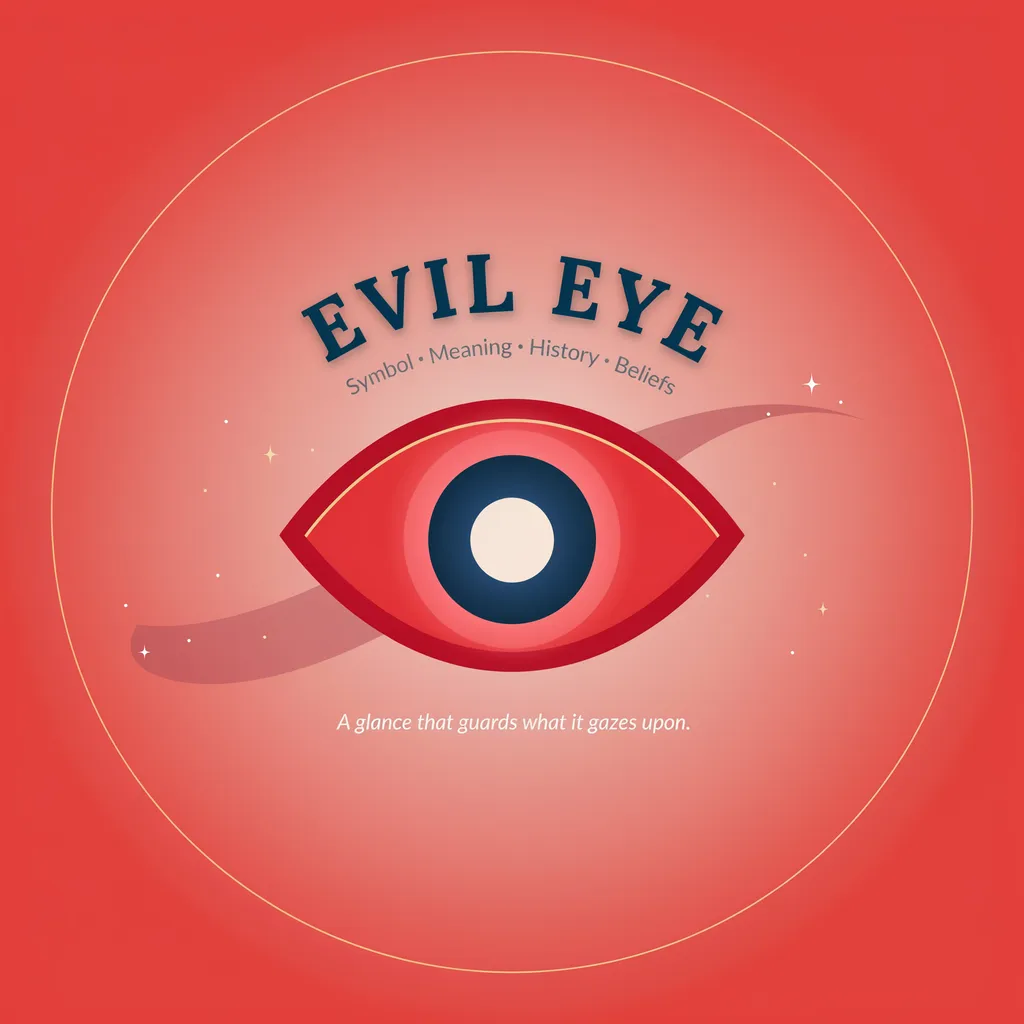
The evil eye symbol is one of the most recognizable symbols in the world. You have probably seen it on jewelry, bracelets, necklaces, home decorations, social media posts, or even tattoos. The striking blue eye design appears almost everywhere, yet many people still wonder: what does the evil eye symbol mean?
Some believe it protects against negative energy. Others see it as a cultural tradition passed down through generations. Many wear it simply because it looks beautiful without fully understanding its deeper significance.
The confusion often comes from the fact that the evil eye symbol exists across many cultures, religions, and regions. Its meaning can vary slightly depending on where it is used, but the core idea remains remarkably consistent.
In this guide, you’ll discover the true meaning behind the evil eye symbol, where it came from, why millions of people use it today, and how it continues to influence modern communication and self-expression.
What Does the Evil Eye Symbol Mean? – Quick Meaning
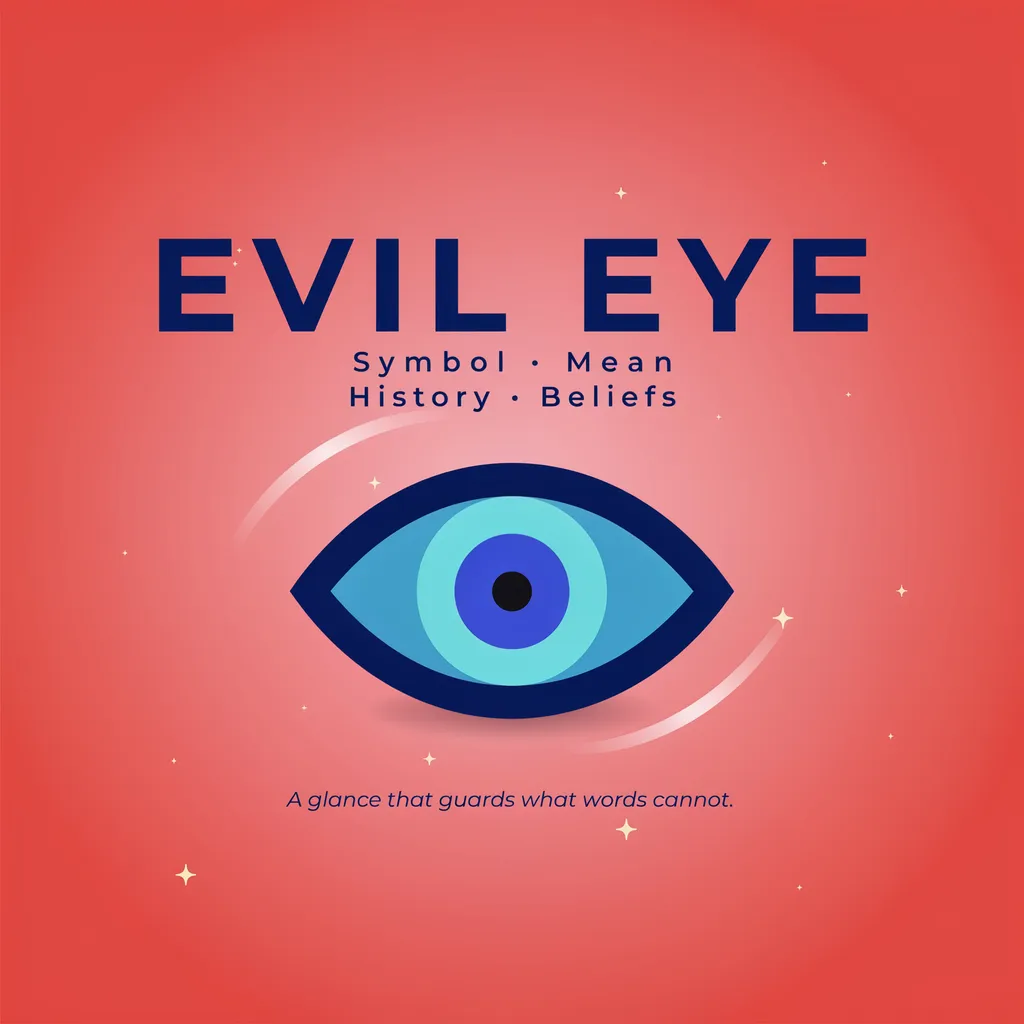
The evil eye symbol is widely believed to offer protection against envy, jealousy, and harmful intentions from others.
In simple terms:
- It symbolizes protection from negative energy.
- It is believed to reflect harmful intentions back to the sender.
- Many people wear it as a good luck charm.
- It serves as a reminder to stay protected from negativity.
People often use phrases like:
“I need my evil eye bracelet today.”
“That’s too much attention—evil eye protection activated.”
“Don’t forget your evil eye necklace before the big event.”
Although interpretations differ, the symbol is generally associated with safety, protection, awareness, and spiritual defense.
Origin & Background
The belief in the evil eye dates back thousands of years.
Historians have found references to the evil eye in ancient civilizations including Greece, Rome, Egypt, and Mesopotamia. The concept was based on the idea that intense jealousy or envy could cause bad luck, illness, or misfortune.
People believed that certain individuals could unintentionally—or intentionally—harm others simply through envious looks or thoughts.
To counter this perceived danger, protective symbols began appearing across different cultures.
The iconic blue eye design became especially popular in parts of the Mediterranean and Middle East. Over time, it evolved into the symbol recognized worldwide today.
Modern social media has given the evil eye a new life. Influencers, celebrities, fashion brands, and content creators frequently showcase evil eye jewelry and accessories. As a result, younger generations often encounter the symbol through fashion before learning about its cultural roots.
Today, the symbol represents both traditional belief and contemporary self-expression.
Real-Life Conversations
WhatsApp Conversation
Person A:
I finally got the promotion!
Person B:
That’s amazing! Wear your evil eye bracelet just in case.
Person A:
Haha, already wearing it.
Instagram DM
Person A:
Your vacation photos are unreal.
Person B:
Thank you! Posting carefully though. Evil eye is real.
Person A:
Honestly, I get that.
TikTok Comments
User 1:
Your new house is beautiful!
User 2:
Thank you 💙🧿
User 1:
The evil eye emoji is necessary after showing a house online.
Text Message
Person A:
My business has been growing so fast lately.
Person B:
That’s incredible. Keep the evil eye charm nearby.
Person A:
My mom says the same thing every day.
Emotional & Psychological Meaning
Beyond cultural traditions, the evil eye symbol carries emotional significance.
At its core, it reflects a universal human experience: the fear of negativity, jealousy, and unwanted attention.
People naturally want to protect what matters most—whether that’s success, relationships, health, or happiness.
The symbol often provides comfort because it serves as a visible reminder of protection.
Psychologically, wearing an evil eye charm can create a sense of reassurance. Similar to carrying a lucky coin or wearing a meaningful necklace, the symbol may help people feel more confident and secure.
A Real-Life Style Example
Imagine someone launching a new business after years of hard work.
Friends begin praising their success. Social media followers increase rapidly. While the attention feels exciting, it can also feel overwhelming.
Wearing an evil eye bracelet may not change circumstances directly, but it can offer emotional comfort and reinforce a positive mindset.
For many people, that’s where its power truly lies.
Usage in Different Contexts
Social Media
The evil eye symbol frequently appears in captions, comments, and emojis.
Examples:
- “Feeling blessed 🧿”
- “Protecting my peace 🧿”
- “Big news coming soon 🧿”
It often accompanies posts about achievements, travel, relationships, or personal milestones.
Friends & Relationships
Among friends, mentioning the evil eye is often playful yet meaningful.
Someone may say:
- “Don’t give me the evil eye.”
- “Protect us from bad vibes.”
The phrase is commonly used to acknowledge envy in a lighthearted way.
Work & Professional Settings
In professional environments, the symbol is usually acceptable when used as personal jewelry or décor.
However, discussing spiritual beliefs connected to it may not always be appropriate in formal business conversations.
Casual vs Serious Tone
Casually, the symbol can be trendy and fashionable.
More seriously, it may represent deeply held cultural or spiritual beliefs.
Understanding the context is important.
When NOT to Use It
While the evil eye symbol is widely accepted, there are situations where caution is appropriate.
Cultural Sensitivity
Avoid mocking or trivializing traditions connected to the symbol.
For many families and communities, it holds genuine cultural importance.
Religious Discussions
Not everyone shares the same beliefs regarding protective symbols.
Assuming universal agreement can create misunderstandings.
Professional Presentations
Unless relevant to the topic, using the symbol extensively in formal presentations may distract from the message.
Sensitive Conversations
When discussing someone’s hardship or loss, relying on symbolic explanations may appear dismissive.
Empathy should always come first.
Common Misunderstandings
Misunderstanding 1: The Symbol Creates Bad Luck
Many people mistakenly believe the symbol itself represents evil.
In reality, it is generally intended to protect against evil or negativity.
Misunderstanding 2: Only Certain Cultures Use It
The belief exists across numerous countries and traditions.
Its influence extends far beyond any single region.
Misunderstanding 3: It Has One Universal Meaning
Interpretations vary.
Some see it as spiritual protection, while others view it as cultural heritage or fashion.
Misunderstanding 4: Wearing It Guarantees Protection
Many people use the symbol symbolically rather than literally.
Its significance often depends on personal belief.
Comparison Table
| Expression | Meaning | Similarity |
|---|---|---|
| Evil Eye Symbol | Protection from envy or negativity | Main concept |
| Good Luck Charm | Brings fortune and confidence | Similar |
| Lucky Coin | Symbolic protection or luck | Similar |
| Guardian Angel Symbol | Spiritual guidance and protection | Related |
| Positive Vibes | Focus on good energy | Related |
| Bad Juju | Negative energy or bad luck | Opposite |
| Hex or Curse | Intentional harm through supernatural means | Opposite |
Key Insight
The evil eye symbol differs from many protective symbols because it specifically focuses on shielding against jealousy, envy, and unwanted negative attention rather than bringing luck alone.
How to Respond When Someone Uses It
Casual Replies
- “Love that symbol.”
- “Always good to stay protected.”
- “Looks great on you.”
Funny Replies
- “Maximum protection mode activated.”
- “The negativity doesn’t stand a chance.”
- “You’ve got spiritual security installed.”
Mature Replies
- “I respect the meaning behind that.”
- “It’s a powerful cultural symbol.”
- “Many people find comfort in it.”
Respectful Replies
- “That’s meaningful.”
- “I understand why it matters to you.”
- “Thanks for sharing its significance.”
Regional & Cultural Usage
Western Culture
The symbol is often used as jewelry, fashion, or home décor.
Many people appreciate its aesthetic appeal alongside its traditional meaning.
Asian Culture
Interpretations vary across regions.
Some communities view it as a protective symbol, while others connect protection with different traditional beliefs.
Middle Eastern Culture
The evil eye carries deep cultural significance.
Protective charms are often integrated into daily life, family traditions, and celebrations.
Global Internet Usage
Online, the symbol has become a shorthand for protection from negativity and unwanted attention.
The emoji version is especially popular.
Gen Z vs Millennials
Gen Z
- Frequently uses the emoji 🧿
- Combines it with memes and internet culture
- Uses it in captions and comments
Millennials
- More likely to wear physical charms
- Often connect it to family traditions
- Use it for both style and symbolism
Is It Safe for Kids?
Yes, in most contexts the evil eye symbol is generally safe for children.
It is commonly used as jewelry, decorative items, or cultural symbols.
Parents should simply explain its meaning within their family’s cultural or personal beliefs.
Understanding context helps children appreciate the symbol respectfully rather than viewing it as something frightening.
FAQs
What does the evil eye symbol protect against?
Traditionally, it is believed to protect against envy, jealousy, and negative intentions.
Is the evil eye symbol religious?
Not necessarily. It appears across various cultures and traditions and is not exclusive to one religion.
Why is the evil eye usually blue?
Blue has historically been associated with protection and is the most widely recognized color for the symbol.
Can anyone wear an evil eye symbol?
Yes. Many people wear it for cultural, spiritual, decorative, or personal reasons.
What does the evil eye emoji mean?
The emoji is commonly used online to symbolize protection, good energy, or defense against negativity.
Is the evil eye symbol bad luck?
No. It is generally intended as a protective symbol rather than a source of bad luck.
Why do people gift evil eye jewelry?
Many people see it as a thoughtful gesture wishing protection, positivity, and well-being.
Conclusion
The answer to “what does the evil eye symbol mean” goes far beyond a simple decorative design.
For thousands of years, people have used the symbol as a form of protection against jealousy, negativity, and harmful intentions. Across cultures, generations, and continents, it has remained a powerful reminder of the human desire to safeguard happiness, success, and peace of mind.
Today, the evil eye symbol exists at the intersection of tradition, spirituality, culture, fashion, and digital communication. Some people wear it because of family customs. Others embrace it as a meaningful accessory. Many simply appreciate the sense of comfort it provides.
Whether you view it as a protective charm, a cultural emblem, or a beautiful piece of symbolism, understanding its history and significance allows you to use it with confidence and respect.
descover more post
Spiritual Meaning of Infinity Symbol A Deep Guide to Love Life …
Jewish Symbol Meaning Understanding the History Significance …
Hinduism Symbol and Meaning Understanding Tradition 2026

Kavon is a passionate content creator and digital researcher who specializes in decoding symbols, meanings, and modern internet language. With a strong focus on clarity and authenticity, Kavon writes in a way that makes complex ideas simple, relatable, and useful for everyday readers.
Known for a hardworking mindset and attention to detail, Kavon is dedicated to creating content that genuinely helps people understand the deeper meanings behind words, signs, and online expressions. Every article is crafted with care, combining research, real-life insight, and a reader-first approach.
Through Symblpedia, Kavon aims to build a trusted space where curiosity meets clarity—helping users find answers that are not only accurate but also meaningful and easy to understa